Cotswold's median sale price dropped by roughly a third this year. Ask a different data source, though, and the story flips: the cost of that same square footage kept rising over the identical stretch. Both numbers are real. Neither one is lying. And if you're trying to price a listing or size up a purchase in Cotswold right now, the gap between them is the actual story, not a footnote to it.
Redfin's figures for the three months ending June 2026 put Cotswold's median sale price at $478,000, down 30.4 percent from the same window a year earlier. Over that same twelve months, the median price per square foot rose about 2.5 percent, to $351. A neighborhood does not typically get cheaper and more expensive at once. When it does, the explanation usually has less to do with home values and more to do with which homes happened to close.
Four Sources, Four Very Different Medians
Before untangling why, it helps to see how much the "median" itself moves depending on who is measuring it and when. Pull four publicly reported figures from roughly the same year and you get four different answers, sometimes by more than $100,000.
| Source | Time window | Reported median | What it's counting |
|---|---|---|---|
| Redfin | 3 months ending June 2026 | $478,000 | Closed sales, down 30.4% year over year |
| Houzeo | As of February 2026 | $615,000 | All property types, down 0.15% year over year |
| Homes.com | August 2026 | $513,459 (average $881,162) | Single-family listings and recent sales |
| Movoto | August 2026 | $520,000 | Active list prices, unchanged month over month and year over year |
None of these sources is wrong. They're measuring different slices of the same neighborhood at different moments, using different mixes of condos, townhomes, and detached houses, and comparing sold prices to list prices in some cases and not others. A buyer who Googles "Cotswold median home price" and stops at the first result could walk away with a number that's off by six figures from what a different search would show the same week. That's a real friction point if you're trying to set expectations before you write an offer or price a listing, and it's worth knowing before you anchor to any single headline figure.
The Ranch Houses Doing the Disappearing
The more useful question isn't which median is correct. It's why Cotswold's numbers move around this much in the first place, and the answer starts with what's happening to the neighborhood's original housing stock.
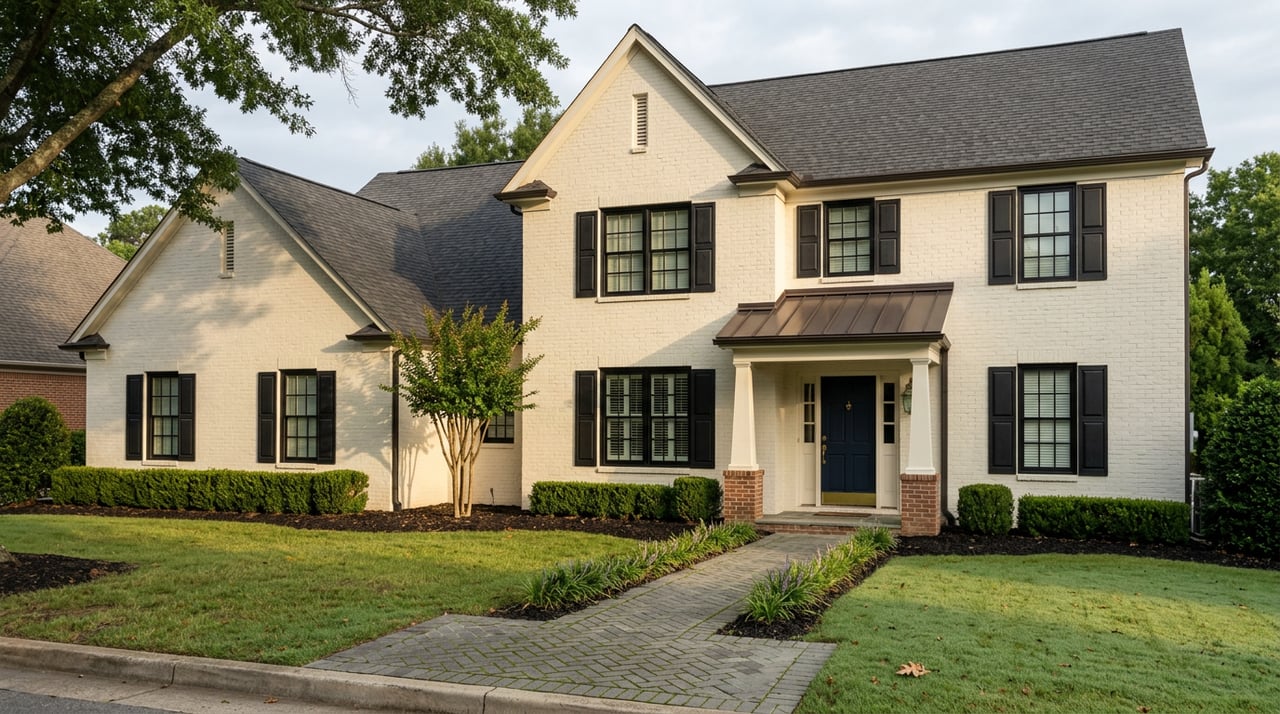
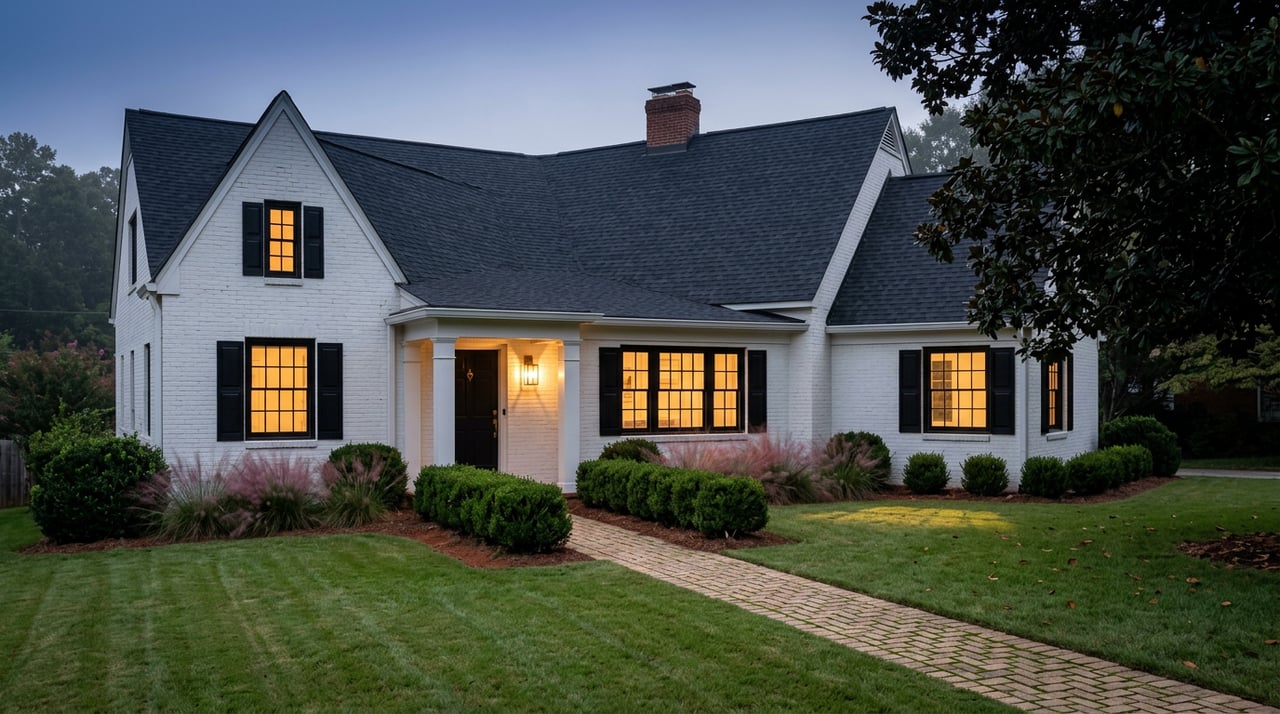
Cotswold was built out mostly in the 1950s as a run of brick ranches on generous lots, close enough to Uptown for an easy commute. Those same qualities, big lots and short drives, are exactly what's driving a steady wave of teardown-rebuild activity. Builders active in the neighborhood right now include Westwood Custom Homes, Alan Simonini Homes, BDI Building Group, Vista Homes, Barringer Homes, Halley Douglas, Maverick Building Company, Kelly McArdle Construction, Rome Homes, and Springdale Custom Builders, replacing original ranches with new construction that often lists well north of $1.5 million.
The scale of that turnover shows up in the build-year data. Homes in Cotswold now range from 1948 to brand new 2026 construction, but the median build year across the neighborhood sits around 2016. Half of the housing stock has been built or rebuilt within the last decade. That's not gradual infill. That's a neighborhood mid-transformation, with the newest, most expensive product mixed directly into the same streets as untouched original ranches worth a fraction of the price.
Why a Slower Month Can Bend the Median Downward
Here's where the mechanism clicks into place. When a neighborhood's sales mix includes both $450,000 original ranches and $1.7 million custom rebuilds, the median in any given period depends heavily on how many of each type happen to close. In June 2026, 25 homes sold in Cotswold, down from 38 in June 2025. Fewer transactions means fewer chances for the priciest new builds to land inside the measurement window. If three or four fewer high-end rebuilds close in a slower month, the median can drop sharply even though every individual home, ranch and rebuild alike, is worth the same or more than it was a year ago.
That's exactly what the price-per-square-foot figure is showing. It strips out the mix problem by measuring value on a consistent unit, and it kept climbing while the median fell. Average days on market also stretched slightly, to 62 days from 54 a year earlier, which fits a market where fewer of the highest-priced homes are moving through in any given stretch rather than one where demand has genuinely cooled.
This is worth sitting with if you're comparing Cotswold to other Charlotte neighborhoods on price alone. A falling median here doesn't mean the neighborhood is getting more affordable. It means the sample of what happened to sell that month looked different than it did the year before.
The Village Around It Is Filling In Too
None of this is happening in isolation. Cotswold Village, the shopping center at Randolph and Sharon Amity anchored by Harris Teeter, Publix, and Marshalls, changed hands in 2023 when Asana Partners bought the 21.7-acre center for $110.4 million, according to Axios Charlotte, up from the $37 million a previous owner paid in 2011. The new ownership has been renovating outdoor gathering space and updating storefronts, and Sycamore, one of Charlotte's more established breweries, is opening a family-friendly beer garden there in 2026.
A quarter mile away, The Fallon Company is building The Colwick, a 234-unit apartment building at Colwick and Chiswick Roads that broke ground in September 2024 and is expected to finish in early 2027. Fallon's CEO told Axios the project is aimed at renters who prefer Cotswold over neighborhoods like SouthPark or South End. That distinction matters for anyone tracking for-sale prices here. New apartments add renters to the neighborhood without adding competing for-sale inventory, which is a demand signal in Cotswold's favor even in a month when the median sale price looks soft.
What This Means If You're Pricing a Sale or a Search
If you own an original ranch and you're weighing whether to sell as-is or take on a renovation, the teardown-rebuild activity around you is relevant context, not just neighborhood color. Builders are actively paying for lots with the house treated as a placeholder, which changes how your property should be priced and marketed compared to a home competing purely on its finished condition.
If you're searching for a home in Cotswold and you've seen conflicting median prices across different sites, treat price per square foot as the steadier comparison point, and always ask what time window a number covers before you use it to judge whether you're getting a fair deal. A median drawn from three months of slower sales tells you something different than one drawn from a full year, and neither tells you what a specific house down the street is actually worth.
A Few Questions Worth Asking Before You Trust Any Single Number
Is Cotswold's market actually cooling? The price-per-square-foot trend says no. The median sale price says something closer to yes. The honest answer is that fewer high-end rebuilds closed in the window measured, which pulled the median down without reflecting a broader drop in value.
Why do different websites show such different median prices for the same neighborhood? Because they're built from different inputs: sold prices versus list prices, single-family homes versus every property type, a three-month window versus a full year. None of that makes a given figure wrong, but it does mean the number alone can't be compared across sources without knowing what it's built from.
Does the new apartment construction affect resale values? Not directly. The Colwick adds rental units on land that wasn't previously for-sale housing stock, which supports neighborhood demand without adding to the pool of homes competing for buyers.
Cotswold's numbers can look contradictory until you know what's actually generating them: a neighborhood mid-turnover, where the newest, priciest homes and the oldest original ranches are being measured together every month. If you're trying to figure out where your own property, or the one you're considering, actually sits inside that picture, that's a conversation worth having before you trust a headline number either way.
Liz Koelling has spent years watching Charlotte's established neighborhoods change one lot at a time, and can walk you through what a specific Cotswold address is actually worth in today's market. Let's Connect to talk through your options.