Call a contractor about pulling permits for an addition in Dilworth, and the first thing they'll ask is whether you've already talked to the Historic District Commission. Ask the same question about a house on Providence Road in Myers Park, and you'll get a different answer: probably not necessary. Same city, two neighborhoods that both get called "historic," and two completely different regulatory paths. That gap catches people off guard more often than it should, because the word "historic" is doing two very different jobs depending on which side of Queens Road you're standing on.
Charlotte has a defined, named list of neighborhoods where a Certificate of Appropriateness is legally required before you touch the exterior of a home: Dilworth, Fourth Ward, Hermitage Court, Plaza Midwood, Wesley Heights, and Wilmore make up the city's original six local historic districts, and the city's open data portal now counts a seventh. These are the neighborhoods where the Historic District Commission reviews everything from roofline changes to window replacements to demolition, and where that review can add real time to a project. A site plan guide circulating for Charlotte permitting work puts the added timeline at 30 to 60 days once a project falls inside one of these districts.
Myers Park is not on that list.
Two Kinds of "Historic," and Only One Comes With a Commission
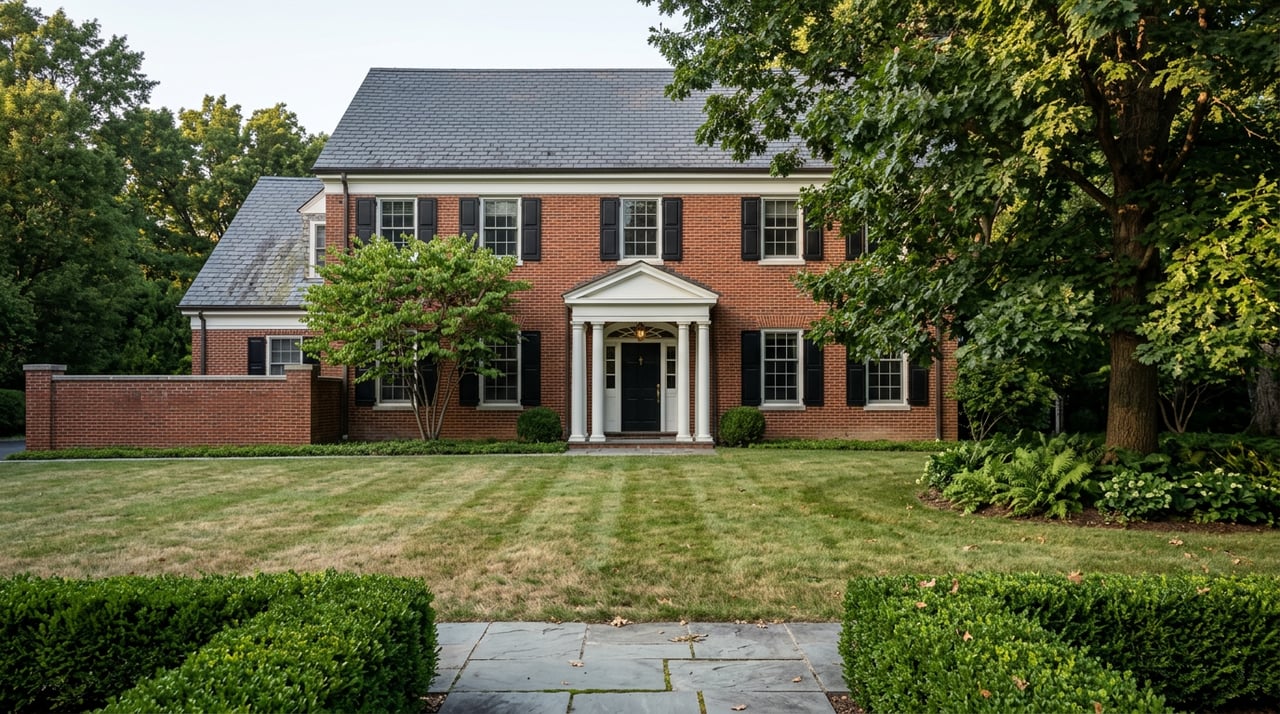
Myers Park is a National Register Historic District, which is a federal and state recognition of architectural and historical significance, not a local zoning overlay. It's an honorary designation earned through a formal nomination process administered by the North Carolina State Historic Preservation Office, and it recognizes roughly 670 contributing buildings across the neighborhood's Nolen-designed streets. What it does not do is trigger design review. A 2024 University of North Carolina at Charlotte Urban Institute piece on the city's historic preservation program draws this line clearly, quoting the city's own Historic District Commission administrator on the distinction: six neighborhoods carry the local designation that requires notifying the Commission before exterior work, and a separate group of National Register neighborhoods, Myers Park among them, does not.
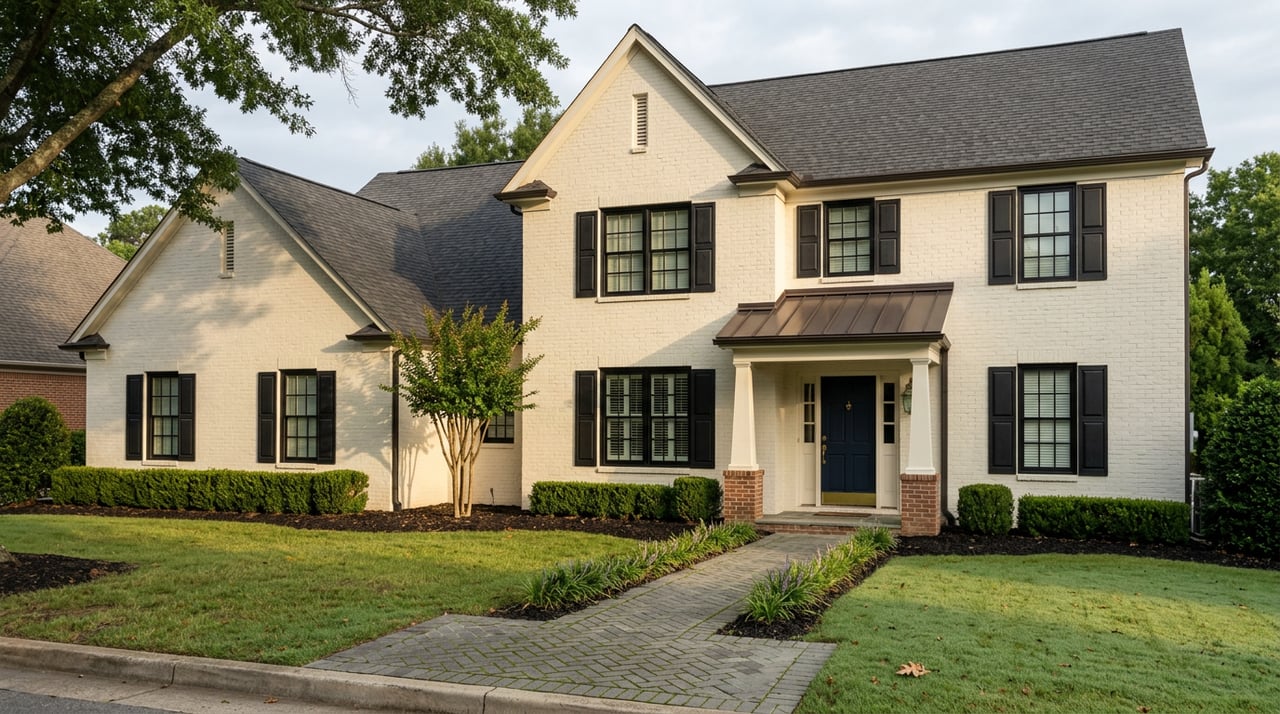
Practically, that means a homeowner replacing windows, adding a dormer, or reconfiguring a porch on a contributing Myers Park home is not required to file for a Certificate of Appropriateness the way a neighbor doing the same project in Wilmore or Plaza Midwood would be. There is no city staff review of paint colors, no waiting period tied to a Commission meeting schedule, no risk of a project stalling because a design doesn't match the Commission's standards for scale or materials.
So What Actually Keeps Myers Park Looking Like Myers Park?
If it isn't a city commission, something else is doing the work of preserving the tree-lined, curvilinear character that makes the neighborhood recognizable from a single photograph. That something is older than the Historic District Commission itself: deed restrictions recorded street by street when Myers Park was platted in the early 1900s, plus a voluntary civic group, the Myers Park Homeowners Association, incorporated in 1984. The association advocates for the neighborhood's character, but it has no assessment authority and no enforcement power. It can't deny a building permit and it can't require a redesign. The deed restrictions carry the actual legal weight, and they vary by the specific plat and street rather than existing as one uniform neighborhood-wide rulebook.
This is worth sitting with for a moment if you're comparing Myers Park to a neighborhood like Dilworth. In Dilworth, the constraint on what a neighbor can build next door runs through a public process with published standards, a review board, and a paper trail. In Myers Park, the equivalent constraint runs through private covenants that were written more than a century ago and are enforced, when they're enforced at all, through the same mechanisms as any other deed restriction: civil action between property owners, not a city stop-work order. A handful of newer or gated pockets within the broader Myers Park footprint carry their own small HOA, so it's worth confirming whether a specific address has one before assuming the century-old covenants are the only rule in play.
The trade-off cuts both directions. An owner planning a renovation gets more flexibility and a faster path to permit than a Dilworth neighbor doing the same project. A buyer walking the neighborhood and admiring its consistency is relying on private covenants and community norms rather than a government body with the authority to say no to a design that doesn't fit.
The Tax Credit That Survives the Distinction
Here's where the National Register status actually pays off in a way the local historic designation doesn't always match. North Carolina's state historic rehabilitation tax credit for owner-occupied residential properties offers a 15 percent credit on qualified rehabilitation expenses, capped at $22,500, for any building listed individually on the National Register or contributing to a National Register historic district. Myers Park qualifies on that basis. The rehabilitation has to exceed $10,000 within a 24-month window, the work has to meet the Secretary of the Interior's Standards for Rehabilitation, and the credit doesn't apply to new square footage, site work, or the cost of acquiring the property. It's a credit for fixing up what's already there, not for building an addition.
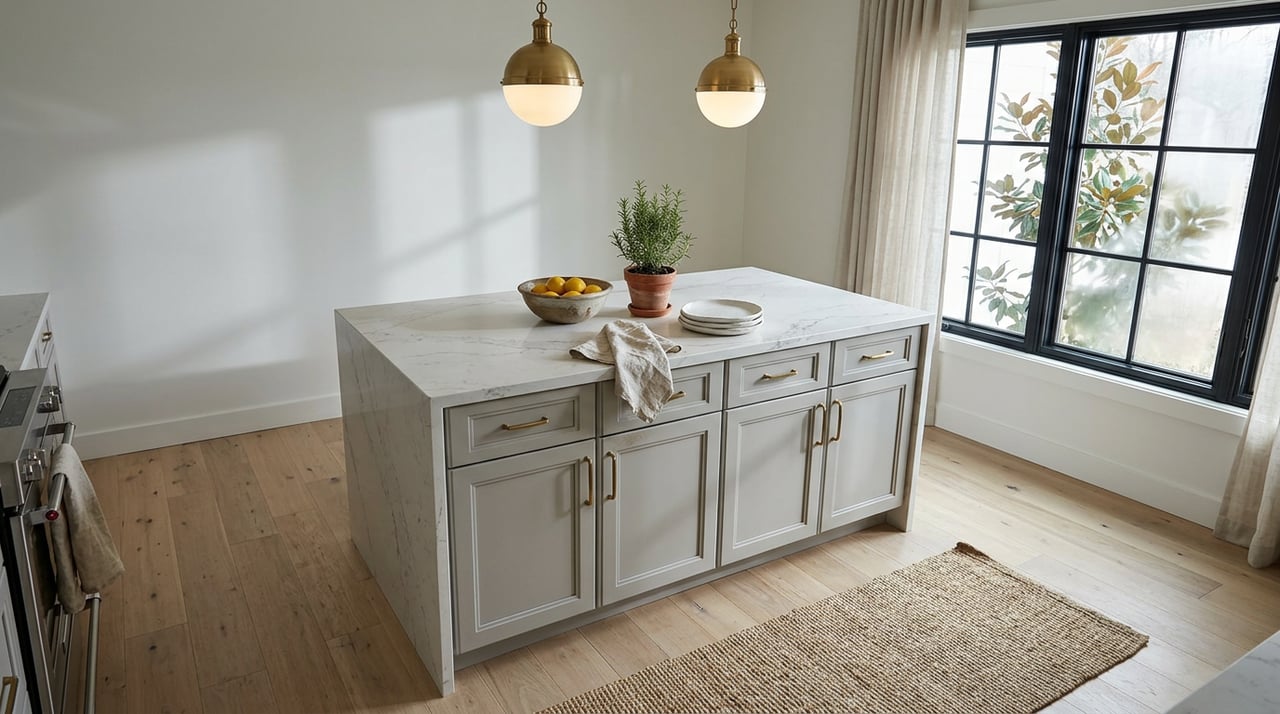
That last part matters because it's easy to conflate "historic tax credit" with "renovation subsidy" in a way that oversells what's available. The credit rewards preserving original materials and character-defining features on a contributing home. It doesn't offset the cost of a new primary suite wing. For an owner planning a kitchen or bath renovation inside a contributing Myers Park house, though, it's a real number worth running past a tax professional before starting demolition, since the application process runs through the State Historic Preservation Office and requires documentation before and after the work.
Why the Median Price Isn't the Number to Trust Blindly
One more place where the surface label doesn't tell the full story: Myers Park's median home price. Depending on which source and which window you check, you'll see figures ranging from under $1 million to over $2 million for the same neighborhood in the same general period. Some of that spread comes from methodology rather than a moving market. A trailing 12-month median sale price counts closed transactions across every price tier, from a smaller cottage near Park Road to an estate on Queens Road West. An active-listing median only reflects what's currently for sale, which skews toward whatever segment of the market happens to be listed at that moment. A home value index estimates typical value across the entire housing stock rather than reporting actual closed sales. None of these numbers is wrong. They're answering different questions, and treating any single one as "the" Myers Park price without asking what it measures will mislead you the same way assuming Myers Park has Historic District Commission oversight will.
What This Means If You're Buying, Selling, or Planning Work
If you're evaluating a Myers Park property with renovation plans already in mind, the practical upside is real: you're likely to move through Mecklenburg County's standard building permit process without an added Historic District Commission review cycle, which can be the difference between a project starting this fall and one delayed into next year. If you're the kind of buyer who values a documented, government-reviewed design consistency guarantee on the whole street, know that Myers Park's version of that guarantee runs through older deed language and neighborhood culture rather than an active review board, and it's worth having a real estate attorney or title company pull the specific restrictive covenants for the address you're considering.
If you already own a contributing home and you're weighing a kitchen renovation, don't skip the tax credit conversation just because you've heard historic tax credits are for local historic district properties. That's the version of the story that's technically true elsewhere in Charlotte and doesn't apply the same way here.
Every one of these details changes depending on the exact address, the specific deed restrictions tied to that plat, and whether the property falls within one of the newer HOA pockets inside the broader Myers Park boundary. If you're weighing a purchase, a sale, or a renovation timeline against these mechanics, I'd rather walk through your specific address with you than let a generic guide make the call. You can browse the Myers Park neighborhood guide for more on the area, or Let's Connect and I'll help you sort out what actually applies to your property before you make a decision that assumes the wrong set of rules.
A Few Questions Worth Asking Before You Assume Either Way
Does painting my house or replacing windows in Myers Park require city approval? Generally no, because Myers Park's National Register status doesn't carry the local historic overlay that triggers Historic District Commission review. Always confirm against the specific deed restrictions for your street, since those can still address exterior changes even without city involvement.
Can I get a historic tax credit for adding a primary suite? No. The state's 15 percent owner-occupied credit applies to rehabilitation of the existing structure, not new square footage, site work, or acquisition costs.
If Myers Park doesn't have a mandatory HOA, who do I call about a dispute with a neighbor's renovation? There's no city commission to appeal to the way there would be in Dilworth or Wilmore. Deed restriction disputes in Myers Park run through civil channels between property owners, which is a meaningfully different process worth understanding before a disagreement happens rather than after.